
In recent years, the demand for vegan makeup has shifted from a niche preference to a mainstream requirement. With consumers becoming increasingly aware of ethical beauty, sustainability, and ingredient transparency—alongside regulatory requirements in certain countries—brands are making vegan products a key selling point in 2025.
On platforms such as Amazon and Sephora, vegan makeup and “cruelty-free” are highlighted as essential product claims. For brands and entrepreneurs, understanding these evolving expectations is critical to gaining market share and building long-term customer loyalty.
Why Vegan Makeup Matters in 2025
Today’s beauty consumers are looking beyond product performance. They also consider ethics, environmental impact, and personal health when making purchasing decisions. Vegan makeup often relies on plant-based ingredients, making it gentler on sensitive skin and reducing the risk of irritation or allergies—all without animal testing.
According to Grand View Research, the global vegan cosmetics market is expected to reach USD 20.8 billion by 2025. This growth reflects increasing consumer awareness of animal cruelty, carbon emissions, and environmental sustainability.
Importantly, this trend is no longer limited to Western markets. Southeast Asia, Latin America, and the Middle East are also experiencing a steady rise in demand. Well-known brands such as Huda Beauty, Fenty Beauty, and e.l.f. have already launched vegan product lines, proving that the category is rapidly expanding its consumer base.
Traditional ingredients such as beeswax, squalene, and lanolin are derived from animals, and many consumers now view them as unethical. Vegan beauty is therefore a movement that emphasizes health, sustainability, and animal rights.
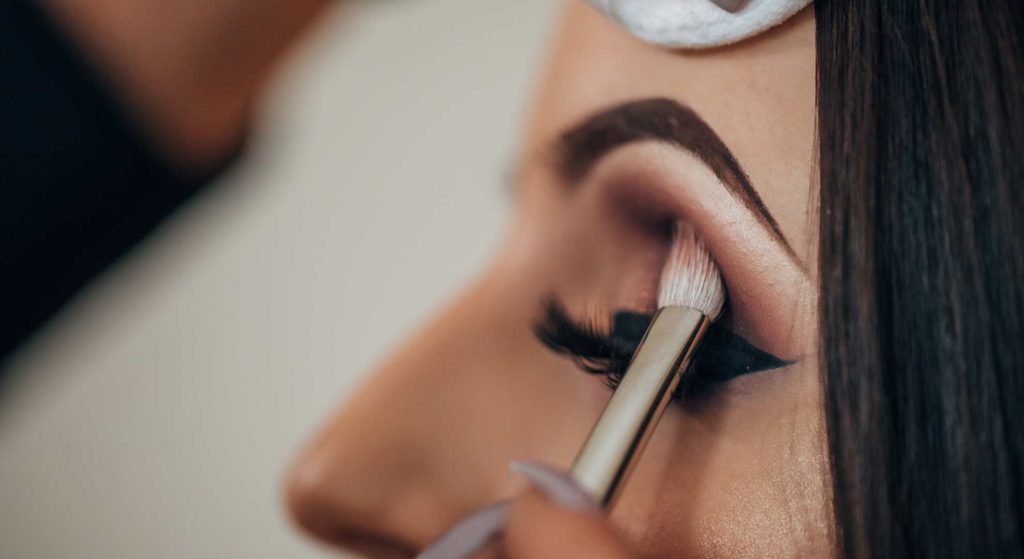
How Makeup Factories and Brands Can Deliver
1. Ingredient Transparency
Modern consumers demand clarity about product ingredients and their sources. Certifications such as Vegan Society or Leaping Bunny improve credibility, but customers expect more than labels—they want plain-language explanations of ingredient functions.
The OEM makeup factory must be able to develop vegan formulations by replacing animal-derived ingredients with plant-based alternatives and provide full ingredient sourcing details to brand partners.
2. Cruelty-Free Testing Policies
Animal-free testing is now a baseline expectation. The EU and several Asian regions have implemented strict regulations banning or limiting animal testing. Consumers expect not only the brand but also the entire supply chain, including third-party labs, to adhere to cruelty-free standards.
Factories should collaborate with brands to design packaging that highlights cruelty-free claims and icons, ensuring supply chain transparency and 100% cruelty-free compliance.
3. Sustainable Packaging
Vegan and cruelty-free makeup goes hand in hand with sustainable packaging. In 2025, eco-conscious consumers are rejecting traditional packaging that is non-recyclable or difficult to degrade. They expect brands to reduce single-use plastics and adopt recyclable, refillable, or biodegradable solutions.
Makeup factories must work with multiple packaging suppliers to provide sustainable options. Innovation opportunities include refillable mascaras, biodegradable lip gloss tubes, and FSC-certified paper packaging.
Opportunities for Brands and Makeup Manufacturers
The demand for vegan and cruelty-free makeup is continuously growing, offering new opportunities for both suppliers and brands. Early adopters of vegan solutions will gain a clear competitive advantage.
- ODM and OEM manufacturers should continuously develop vegan product lines to support brand growth.
- Private label cosmetics can highlight cruelty-free policies and clean ingredient sourcing to increase competitiveness.
- Collaboration with packaging suppliers can further strengthen a brand’s sustainability appeal.
Bijiang Vegan Case: Middle East Market
Product Requirement:
A Middle Eastern brand requested a vegan lip liner line with 16 shades, focusing on safe ingredients and cruelty-free testing.
Bijiang OEM Solution:
- Vegan Formulations: 100% animal-free, using plant-based oils and synthetic wax alternatives enriched with Vitamin E, designed to meet Muslim consumers’ expectations for halal and vegan beauty.
- Cruelty-Free Production: Entire supply chain avoids animal testing, compliant with EU and Middle Eastern import regulations.
- Packaging Adaptation: Customized packaging in line with local culture and aesthetic preferences, including luxury minimalist design, Arabic labeling, and eco-friendly materials.
After launching on Amazon, Sephora, and the brand’s independent website, monthly sales exceeded 8,000 units, with strong consumer feedback praising both the vibrant pigmentation and added moisturizing benefits. The vegan positioning successfully helped the brand break into the Middle Eastern market. Next, the client plans to expand into the EU region.
Bijiang’s vegan & cruelty-free makeup solutions not only help brands enter the Middle Eastern market but also align with global beauty trends. With full ODM/OEM customization services, Bijiang ensures products meet regulatory requirements, cultural expectations, and consumer demands—helping brands quickly and successfully establish themselves in new markets.
Contact Bijiang to develop your customized vegan product line today.
