
If you’re planning to launch a private label cosmetics brand, the fastest and most cost-effective approach is to partner with an experienced OEM/ODM cosmetics manufacturer. This allows you to customize formulas, packaging, designs, and product lines without investing in your own manufacturing facility, so you can focus on marketing and sales.
The typical private label process includes market research, product selection, formula development, packaging design, regulatory compliance, sample approval, mass production, and finally, product launch.
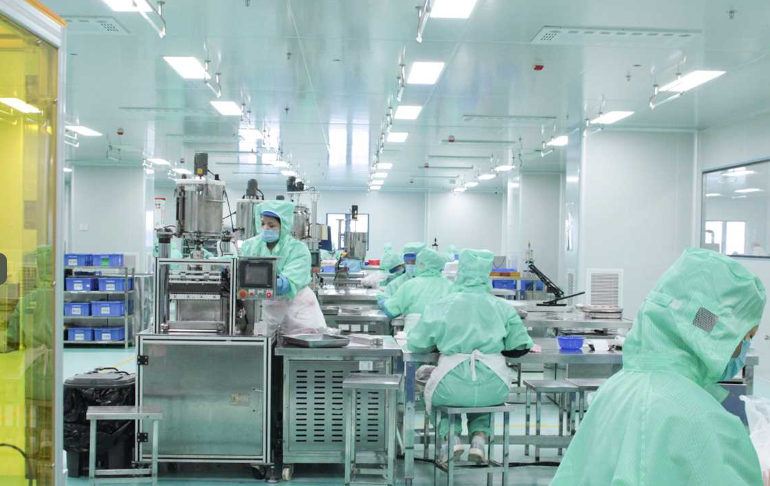
How to Start a Private Label Cosmetics Brand
Private label cosmetics refer to products that are customized, manufactured, and branded in collaboration with cosmetics suppliers. Start-up cosmetics companies, personal brands, and e-commerce brands simply need to have their brand logos printed on the products for production and sale. This model allows businesses to sell customized branded products without needing to own their own factories, thereby reducing startup costs.
1.Choose your private label cosmetics product
When starting a private label cosmetics business, choosing the right products is one of the most important decisions you’ll make. Whether you’re a beauty startup, an established brand, an independent seller, an influencer, or a beauty salon owner, product selection should be driven by market demand rather than personal preference.
how should you choose products? We can analyze the current beauty market—for example, by looking at the most discussed product topics on TikTok and Instagram, Google Trends, popular lists on e-commerce platforms, and Amazon’s bestseller lists. Start with market analysis; the goal is to ensure that the products you want to sell have high demand and significant sales potential. Pay attention to their features and colors, as makeup preferences vary by country.
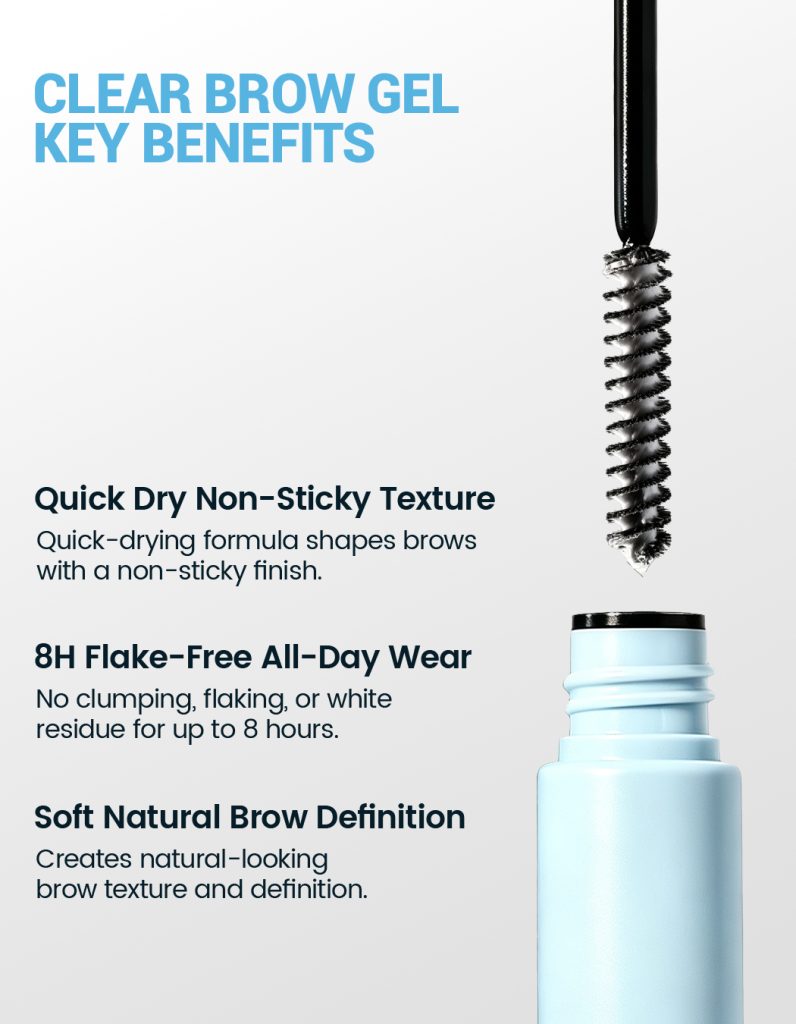
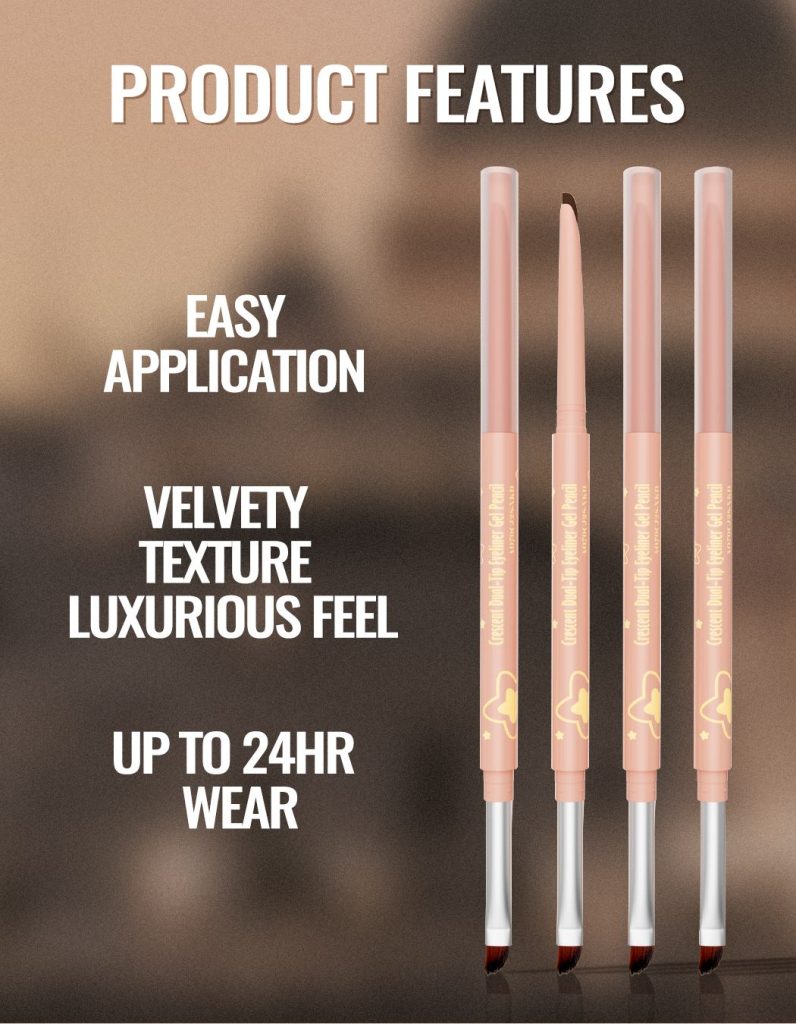
Currently trending products include lip products, eyeliner pencils, eyebrow pencils, and eyebrow gel.
- High-pigment, glossy lip gloss with a vegan formula that nourishes lips, minimizes fine lines, and is rich in various lip-nourishing ingredients.
- Ultra-long-lasting gel eyeliner that is waterproof and sweat-resistant, smudge-proof, lasts up to 12 hours, and offers vibrant, deep black color in a variety of shades.
- Brow gel that tames unruly brows, provides long-lasting hold, and nourishes the brows.
-详情页_01-796x1024.jpg)
2.Research Your Competitors
By researching your competitors, you can analyze which products are best-selling, what functions they offer, and who their target audience is. You should also understand their sales strategies, marketing approaches, and pricing. If they promote their products online through platforms such as Instagram, TikTok, or Facebook, you can use keyword research tools to identify the keywords they target and analyze their advertising campaigns.
Benchmarking and analyzing your competitors helps you understand the general market pricing, product styles, and marketing strategies. This enables you to conduct better product analysis and develop products with stronger competitive advantages.
3.Choose your private label cosmetic manufacture
A reliable makeup manufacturer can provide product development, custom packaging, packaging design, custom formulations, and other OEM/ODM services. They are also responsible for production management, quality control, and logistics. By researching different suppliers, you can evaluate their manufacturing capabilities, customization options, and after-sales support. This allows you to focus on building and marketing your brand.
You can search using keywords such as: private label cosmetics, makeup manufacturer, cosmetics manufacturer, makeup supplier, and Bijiang makeup manufacturer.
4.Customize Your Product
During the customization process, you’ll need to consider factors such as formula selection, texture, color payoff, fragrance, packaging materials, and packaging design. All of these elements can be fully customized to match your brand vision and product requirements. Once every detail has been finalized, you can communicate with your supplier to proceed with sample development and testing.
5.Sample testing
Once you’ve finalized your product concept, the next step is sample testing. Cosmetics manufacturers typically offer an extensive library of proven formulations, allowing you to choose an existing formula or develop a custom one based on your requirements. You should clearly communicate your desired product performance, target audience, and brand concept to your supplier.
Whether you’re developing a completely new concept or customizing an existing formula, it’s essential to evaluate the samples carefully before launching your product. Work closely with your cosmetics manufacturer to confirm that the texture, color, finish, and overall performance meet your expectations. Before placing a mass production order, ensure that the approved sample is fully consistent with the final customized product to avoid any discrepancies during production.
6.Understand Cosmetics Regulatory Compliance
Regulatory requirements for cosmetics vary from country to country. For example, the United States has FDA cosmetics regulations, the European Union has GMPC standards, and the Middle East has halal requirements.
Experienced makeup manufacturers in Bijiang assist clients in preparing the following documents: COA, MSDS, ingredient lists, product test reports, and export documentation. The goal is to ensure compliance for product exports.
7.Understand the Mass Production Process
The mass production process usually includes the following steps:
Most private label cosmetics projects typically take around 35–60 working days to complete. The exact timeline depends on factors such as product complexity, packaging customization, printing techniques, and production requirements.
Why Choose Bijiang Cosmetics as Your Private Label Cosmetics Manufacturer?
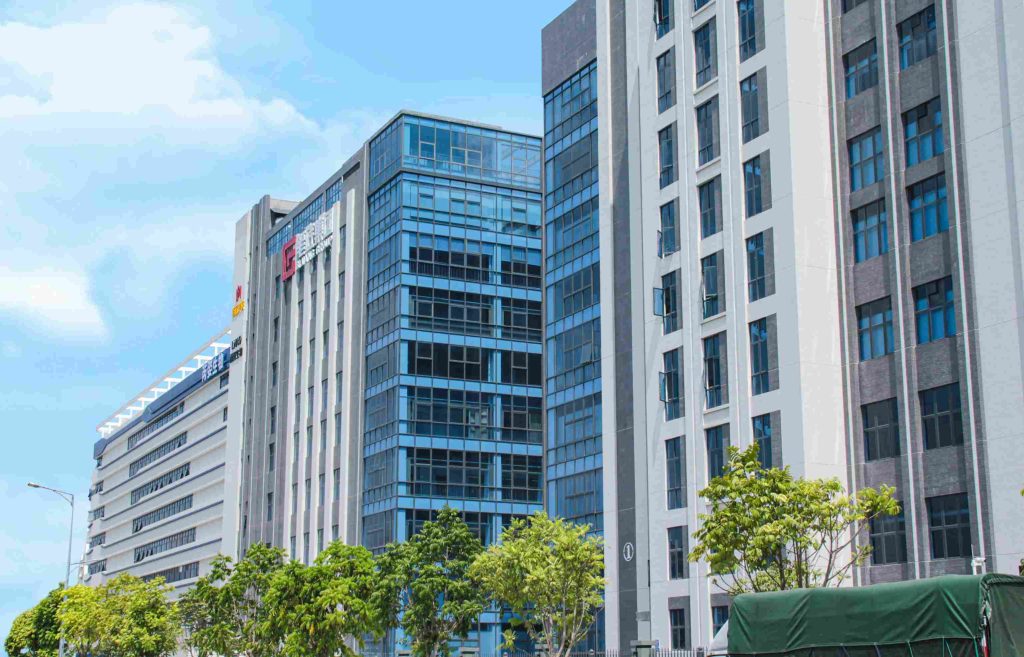
Bijiang Cosmetics manufacture has over 20 years of experience in cosmetics manufacturing, providing comprehensive OEM and ODM solutions for beauty brands worldwide, including markets such as the United States, Russia, the Middle East, and the European Union.
Bijiang’s manufacturing capabilities include over 2,400 mature formulations, 42 automated production lines, a 100,000-level GMPC cleanroom, ISO 22716 and GMPC certified production facilities, and an experienced R&D team of over 100 professionals and engineers. We provide comprehensive services including formula development and customization, packaging solutions, and global export support.
Whether you are launching your first beauty brand or expanding your existing product line, our experienced team can help transform your ideas into market-ready products efficiently, reliably, and professionally.

FAQ
1.How much does it cost to start a private label cosmetics brand?
The investment amount depends on the product type, minimum order quantity, packaging, and level of customization. Many startups initially opt for a limited product line to reduce upfront costs.
2.How long does it take to produce private-label cosmetics?
Most private label cosmetic orders require 35–60 working days after sample approval.
3.What is OEM vs ODM cosmetics?
OEM: Customize products based on your requirements, including formulas, packaging, and design.OEM offers more flexibility
ODM: Use the manufacturer’s existing formulas and customize them with your own brand.ODM helps you launch faster and save time.
4.How many products should I launch first?
Most successful startups begin with 3–5 hero products before expanding into complete collections.
5.How do I choose the best private label cosmetics manufacturer?
Look for a manufacturer with proven export experience, international certifications, flexible customization capabilities, fast response, and strong R&D support.
