
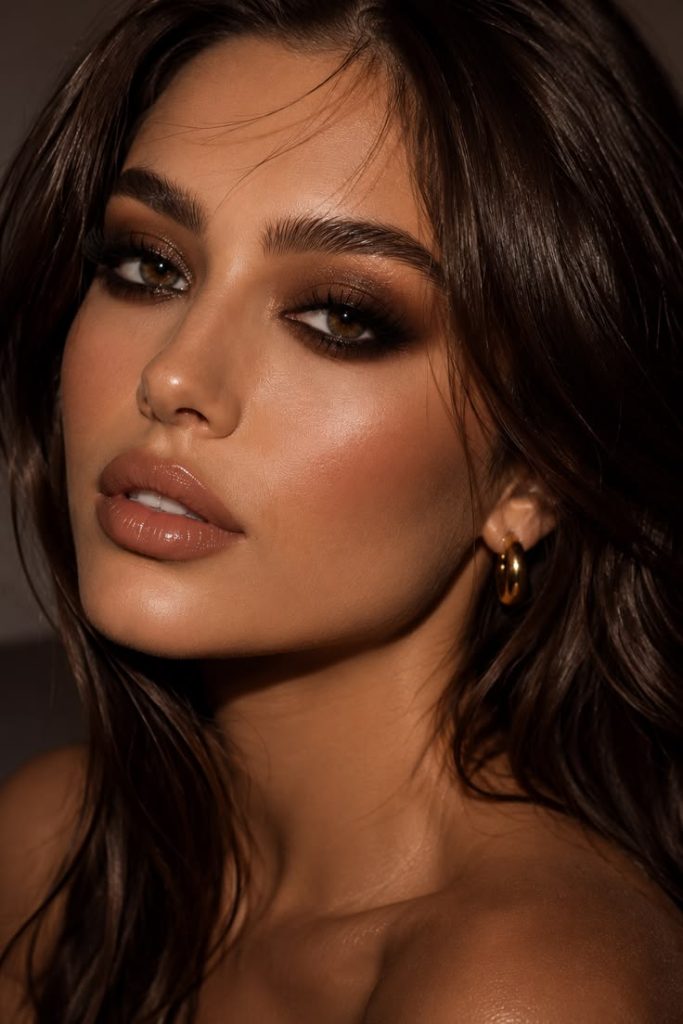
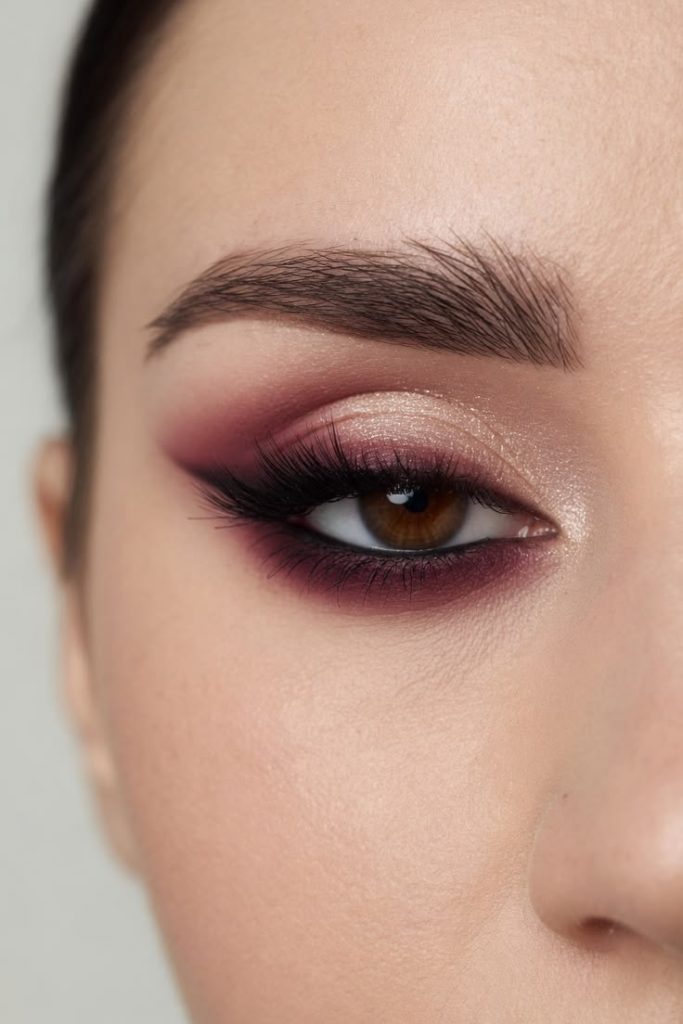
2026 smokey eye trends are moving beyond one heavy black-and-grey look. In 2026, the strongest opportunities are softer shades, blendable textures, eye-shape personalization and products that help consumers create dimension with fewer steps.
For beauty brands, this shift is more than a visual trend. It creates practical product opportunities across creamy eyeliner pencils, kajal, shadow sticks, neutral palettes and flexible-wear mascara. This editorial case study connects consumer inspiration with product development decisions for private label and OEM/ODM projects in 2026 Smokey Eye Trends
Key Takeaways for Beauty Brands
Softer Shades
Brown, taupe, bronze and muted plum make the smokey eye easier to wear across more occasions and markets.
Simpler Application
Blendable pencils and shadow sticks help consumers build a diffused look without a large palette or professional technique.
Personalized Placement
Hooded, monolid, round and almond eyes benefit from different shadow placement and liner direction.
What Is Changing in Smokey Eye Makeup?
The classic smokey eye remains relevant, but the way people create it is changing. Consumers increasingly want adaptable makeup that can move from daytime to evening, complement different eye shapes and remain comfortable for extended wear. Rather than placing the darkest shade across the entire eyelid, current techniques focus on controlled depth near the lash line, softer transitions and strategic emphasis at the outer corner.
This makes the trend especially useful for product development. A creamy pencil can act as liner, shadow base and smudged color. A shadow stick can create a one-product gradient. A flexible mascara can complete the look without making it feel heavy. Brands can therefore build a complete eye story around fewer, more versatile products.
Five 2026 Smokey Eye Trends Beauty Brands Should Watch
1. Soft Brown and Taupe Smokey Eyes
Brown, taupe and bronze tones create depth without the visual weight of solid black. These colors are easier to adapt for daytime wear and can be adjusted for warm, cool and neutral undertones. For brands, the opportunity is a coordinated shade family rather than a single universal dark color.
Product opportunity: creamy brown eyeliner pencils, neutral shadow sticks and compact palettes with matte, satin and subtle-shimmer finishes.
2. Smudged Eyeliner Instead of Heavy Eyeshadow
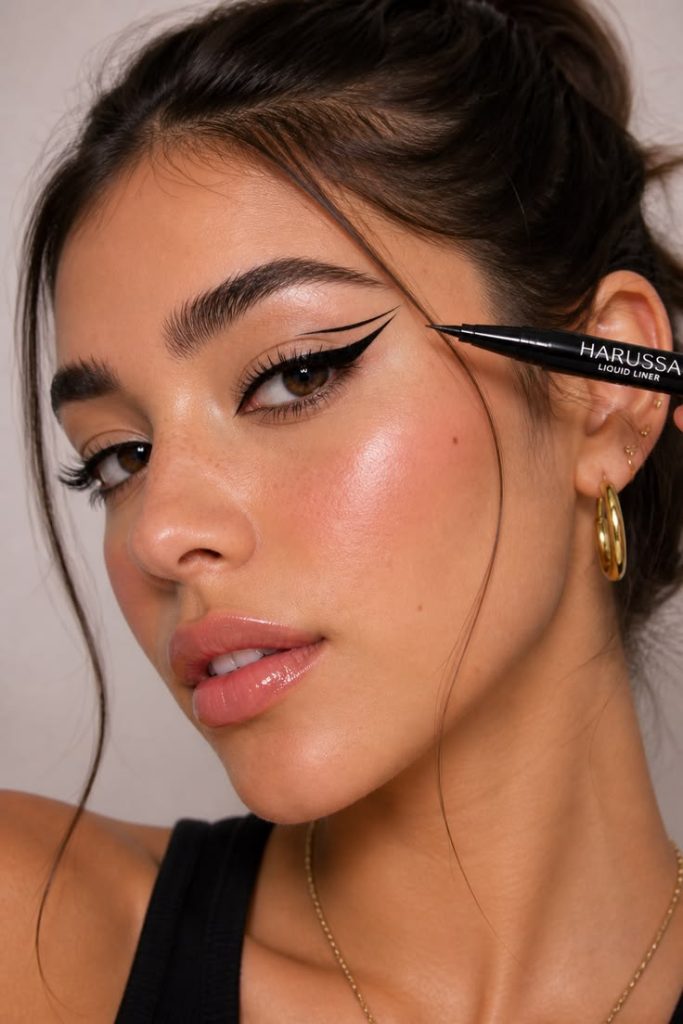
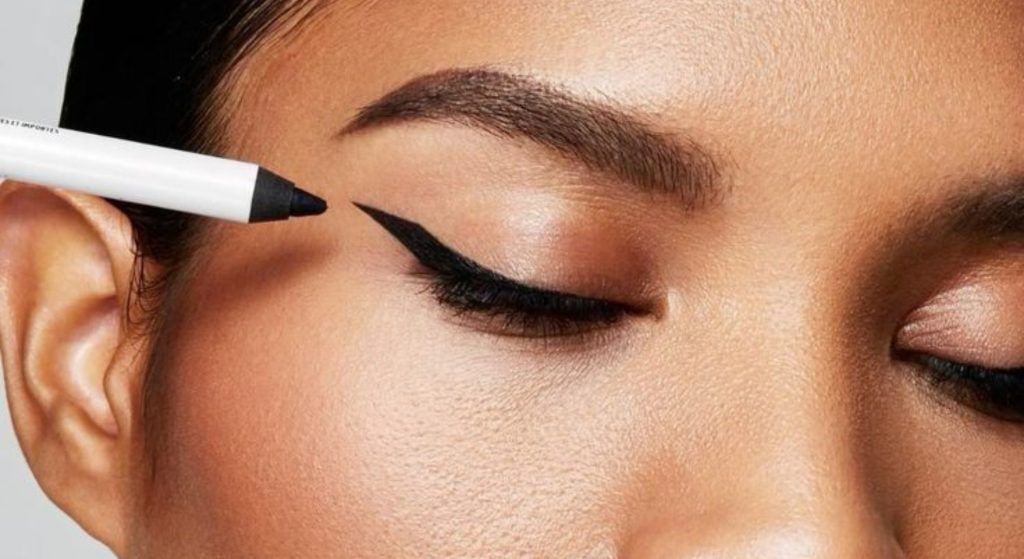
A soft pencil line blended before it sets can create a smokey effect faster than layering several powder shadows. The formula needs enough playtime for blending, followed by reliable setting performance to reduce transfer and smudging during wear.
Product opportunity: gel eyeliner and kajal pencils with a creamy glide, controlled pigment release and a balance between blendability and long wear.
3. Eye-Shape Personalization
The same placement does not work equally well for every eye shape. Hooded eyes often need color blended above the natural fold, while round eyes benefit from outward extension and monolids benefit from a controlled gradient near the lash line. Educational content can therefore become part of the product experience.
For application guidance, read our smokey eye tutorial for different eye shapes.
4. Long-Wear Performance Without Heavy Texture
Consumers still expect resistance to transfer, humidity and daily wear, but the finish should remain comfortable and flexible. This places greater emphasis on formula balance, packaging compatibility and real-use testing rather than simply increasing pigment or wax.
Product opportunity: waterproof eyeliner, flexible mascara and finely milled eye color designed for buildable application.
5. Multi-Use Eye Products
Products that combine lining, shading and blending can support faster routines and more compact beauty collections. Dual-ended components, built-in smudgers and coordinated shades help make the trend more approachable for non-professional users.
Product opportunity: dual-ended pencils, eyeliner-and-shadow combinations and shadow sticks with integrated applicators.
From Trend custom eye makeup formulation to Product Opportunity
| Consumer Trend | Product Opportunity | Customization Direction |
|---|---|---|
| Soft brown smokey eye | Gel eyeliner pencil | Brown, taupe, bronze and plum shades |
| Smudged liner | Kajal or creamy eyeliner | Longer blending time before setting |
| Quick makeup routines | Shadow stick | Dual-ended design or built-in applicator |
| Long-wear eye makeup | Waterproof eyeliner | Transfer- and sweat-resistant performance |
| Eye-shape personalization | Eye makeup kit | Product and tutorial bundles |

What Beauty Brands Should Define Before Sampling
- Target market: define the destination market and intended consumer.
- Product format: select eyeliner pencil, gel eyeliner, kajal, shadow stick, palette or mascara.
- Performance: clarify waterproof, smudge-resistant, blendable and wear-time expectations.
- Shade direction: prepare references for black, espresso, taupe, bronze, plum or other colors.
- Packaging: decide between retractable, sharpenable, dual-ended or custom component formats.
- Estimated quantity: share the expected volume, shade count and launch schedule so that suitable options can be evaluated.
Develop a Custom Eye Makeup Collection
Bijiang supports private label and OEM/ODM development for color cosmetics. Brands can discuss formula texture, shade, performance, applicator and packaging based on their target market and positioning.


Private label eye makeup Product Development FAQ
Can eyeliner shades and textures be customized?
Yes. Shade, pigment intensity, glide, playtime, finish and setting performance can be discussed according to the project brief and target market requirements.
Can brands request samples before mass production?
Sampling is an important part of evaluating color, texture, application, packaging compatibility and overall performance before a production specification is confirmed.
What should a brand prepare before requesting a quote?
Prepare the target product, market, shade direction, formula expectations, packaging references, estimated quantity and preferred launch timing. A more complete brief makes the recommendation and sampling process more efficient.
